The Top 5 Compression Brands Compared: Prices, mmHg, and Best Use Case (2026)
Fact-checked against cited clinical sources, August 2026. Written and reviewed by the Compression & Shapewear editorial team. Informational only; not medical advice. · Last updated 19 August 2026
Picking a compression brand isn't the same as picking a single pair of socks. Each brand has a range, a price tier, and a personality: some are medical-grade first and styling second, some are the reverse. Here's how SIGVARIS, JOBST, Comrad, FALKE, and Rejuva actually differ, and which one fits your situation.
How to compare compression brands (not just products)
Any single product listing can look good in isolation. What matters more is the brand's overall range: does it cover the mmHg level you need, is the sizing consistent across its line, and is it priced for daily replacement or for a garment you'll keep for a year?
Compression itself is standardized by class, not by brand: light support sits under 15 mmHg, mild-to-moderate (Class 1) is 15–20 mmHg, firm support (Class 2) is 20–30 mmHg, and extra-firm (Class 3) is 30 mmHg and up (Source: PMC4081237). The number means the same thing regardless of brand; what differs is fit, fabric, and price for hitting that number.
The 5 brands, side by side
| Brand | Typical mmHg range | Price tier | Best for | Shop |
|---|---|---|---|---|
| SIGVARIS | 15–30 mmHg | Mid to premium | Medical-grade reliability, wide range | Check price |
| JOBST | 15–30 mmHg | Mid to premium | Everyday medical compression, trusted sizing | Check price |
| Comrad | 15–20 mmHg | Mid | Travel and first-time compression wearers | Check price |
| FALKE | 20 Den (fashion-forward sheer) | Premium | Style-conscious, sheer everyday wear | Check price |
| Rejuva | 15–20 mmHg | Budget | Everyday tired-legs wear, price-sensitive buyers | Check price |
Price tiers shown are relative (budget, mid, premium) rather than fixed dollar amounts, so this comparison stays accurate without constant updates. Actual Amazon prices should still be spot-checked before publishing or purchasing.
Which brand fits your situation
SIGVARIS covers the widest range in this list, from mild 15–20 mmHg leggings up through 20–30 mmHg calf-highs, and it's a name most pharmacists recognize; that matters if you're buying compression on a doctor's suggestion rather than for general comfort. It sits at a mid-to-premium price point, which reflects the medical-grade construction, not just branding.
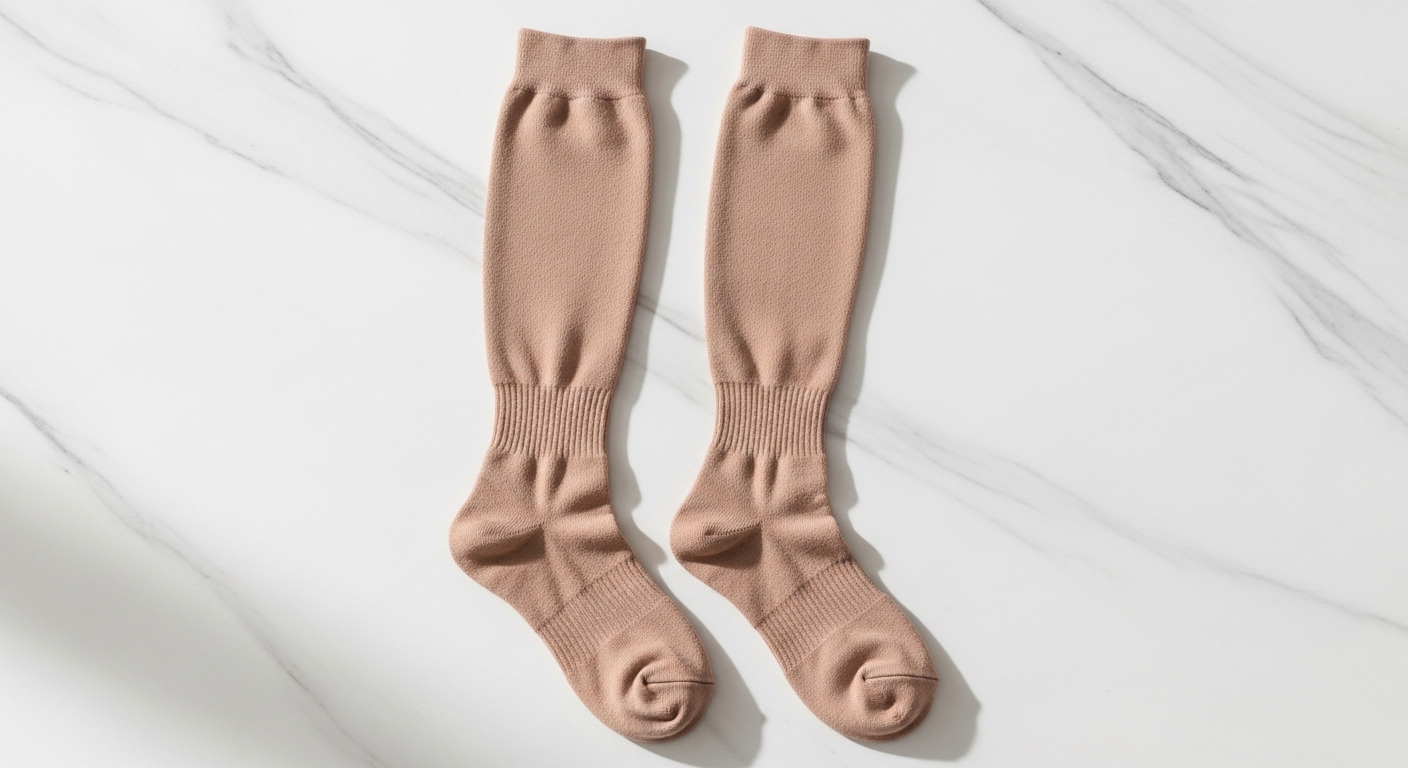
SIGVARIS Style Sheer 780 Knee-High 20-30 mmHg
Medical-grade graduated compression knee-high with a sheer finish that looks like ordinary hosiery while delivering true 20–30 mmHg support.
Best for: Medical-grade reliability, wide range
Pros
- ✓ Widest mmHg range of the brands compared
- ✓ Pharmacist-recognized medical brand
- ✓ Sheer finish that doesn't read as clinical
- ✓ Consistent sizing across the line
Cons
- ✗ Mid-to-premium price point
- ✗ Sheer fabric is less durable than opaque alternatives
JOBST plays in the same medical-grade space as SIGVARIS, with a reputation for consistent sizing across its knee-high and pantyhose lines. Its UltraSheer line in particular looks like ordinary hosiery while still delivering real 15–20 mmHg compression; that's the pick if you want compression that doesn't read as "medical" at a glance.
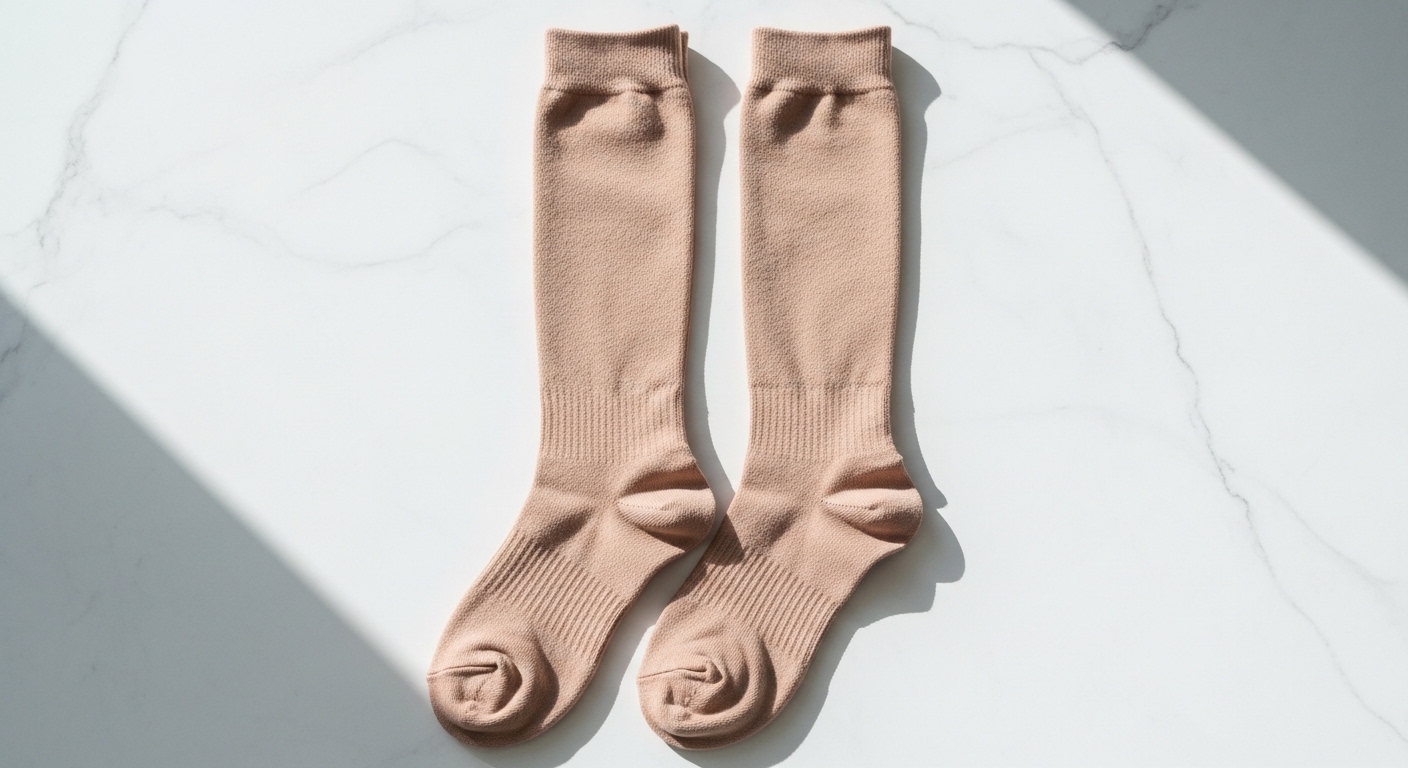
JOBST UltraSheer Knee-High 15-20 mmHg
Sheer 15–20 mmHg knee-high compression socks that look like regular hosiery while delivering medically meaningful graduated pressure.
Best for: Everyday medical compression, trusted sizing
Pros
- ✓ Sheer enough to pass as ordinary hosiery
- ✓ Consistent sizing across JOBST lines
- ✓ Trusted medical-grade brand
- ✓ 15–20 mmHg suits everyday wear
Cons
- ✗ Sheer fabric requires careful donning
- ✗ Mid-to-premium price
Comrad is a newer, direct-to-consumer brand built around a simpler range: mostly 15–20 mmHg knee-highs in a wider variety of colors and patterns than the traditional medical brands offer. It's a solid entry point if you've never worn compression before and want something that doesn't feel clinical.
Comrad Premium Cotton Knee High Socks 15-20 mmHg
Breathable cotton-blend knee-highs with 15–20 mmHg graduated compression in a range of colors — the approachable entry point for first-time compression wearers.
Best for: Travel and first-time compression wearers
Pros
- ✓ Cotton blend is breathable and comfortable
- ✓ More color and pattern options than medical brands
- ✓ Straightforward 15–20 mmHg range
- ✓ Doesn't feel clinical
Cons
- ✗ Narrower mmHg range than SIGVARIS or JOBST
- ✗ Cotton blend less durable than synthetic options
FALKE isn't a medical-compression brand in the traditional sense; it's a fashion hosiery brand whose Vitalize line adds graduated compression to a genuinely sheer, fashion-forward tight. Choose FALKE when you want the compression benefit without giving up the look of regular sheer hosiery, and you're willing to pay a premium for it.
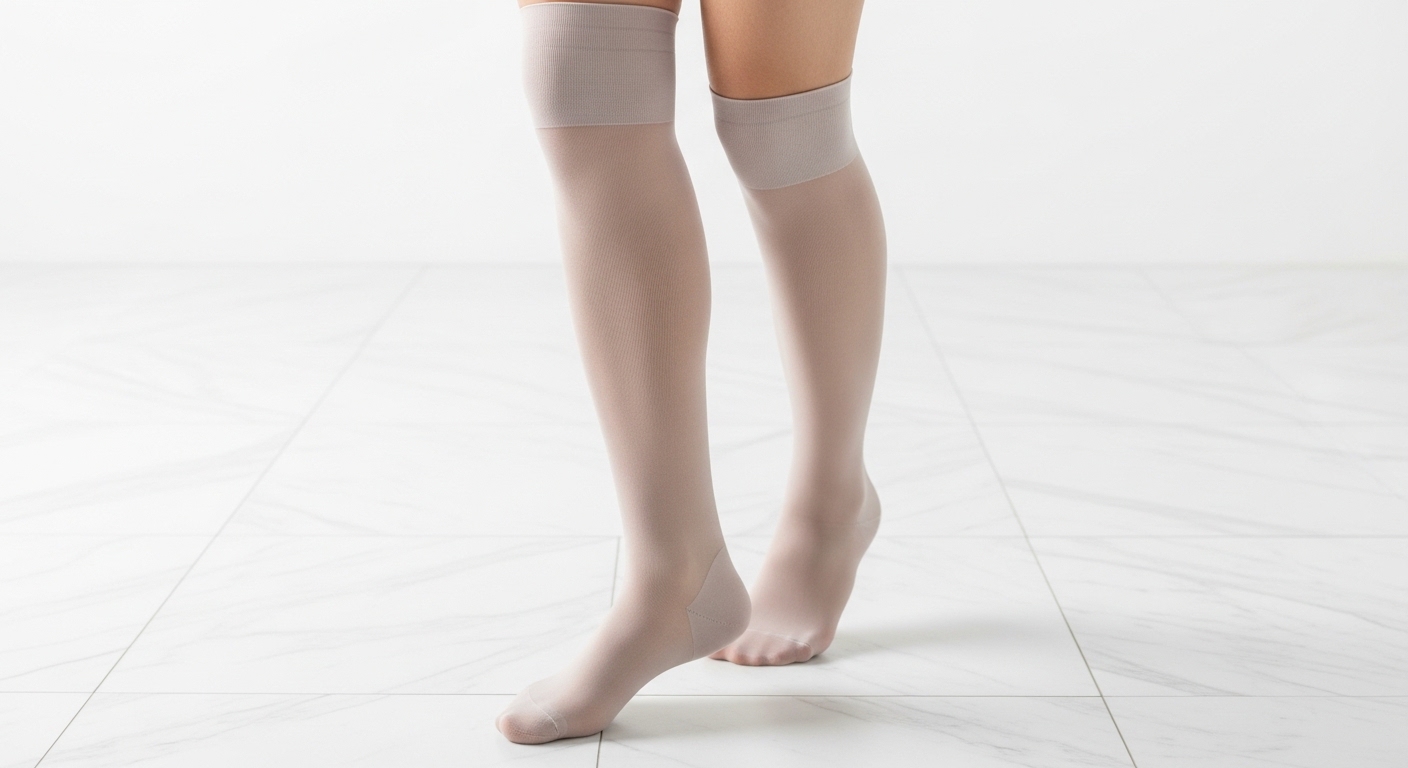
FALKE Leg Vitalizer 40 Den Semi-Opaque Compression Tights
Fashion-forward 40 denier semi-opaque tights with graduated compression built in — for wearers who want the compression benefit without sacrificing the look of sheer hosiery.
Best for: Style-conscious, sheer everyday wear
Pros
- ✓ Genuinely sheer, fashion-forward appearance
- ✓ Graduated compression integrated into hosiery
- ✓ Premium fabric quality
- ✓ Doesn't look like a medical garment
Cons
- ✗ Premium price point
- ✗ 40 denier is semi-opaque, not fully sheer
- ✗ Not a medical-grade compression garment
Rejuva sits at the budget end without cutting the mmHg number that matters; it's a reasonable everyday choice for tired legs, though its range and sizing consistency are narrower than SIGVARIS or JOBST. Good for testing whether compression helps you at all before spending more on a medical-grade brand.
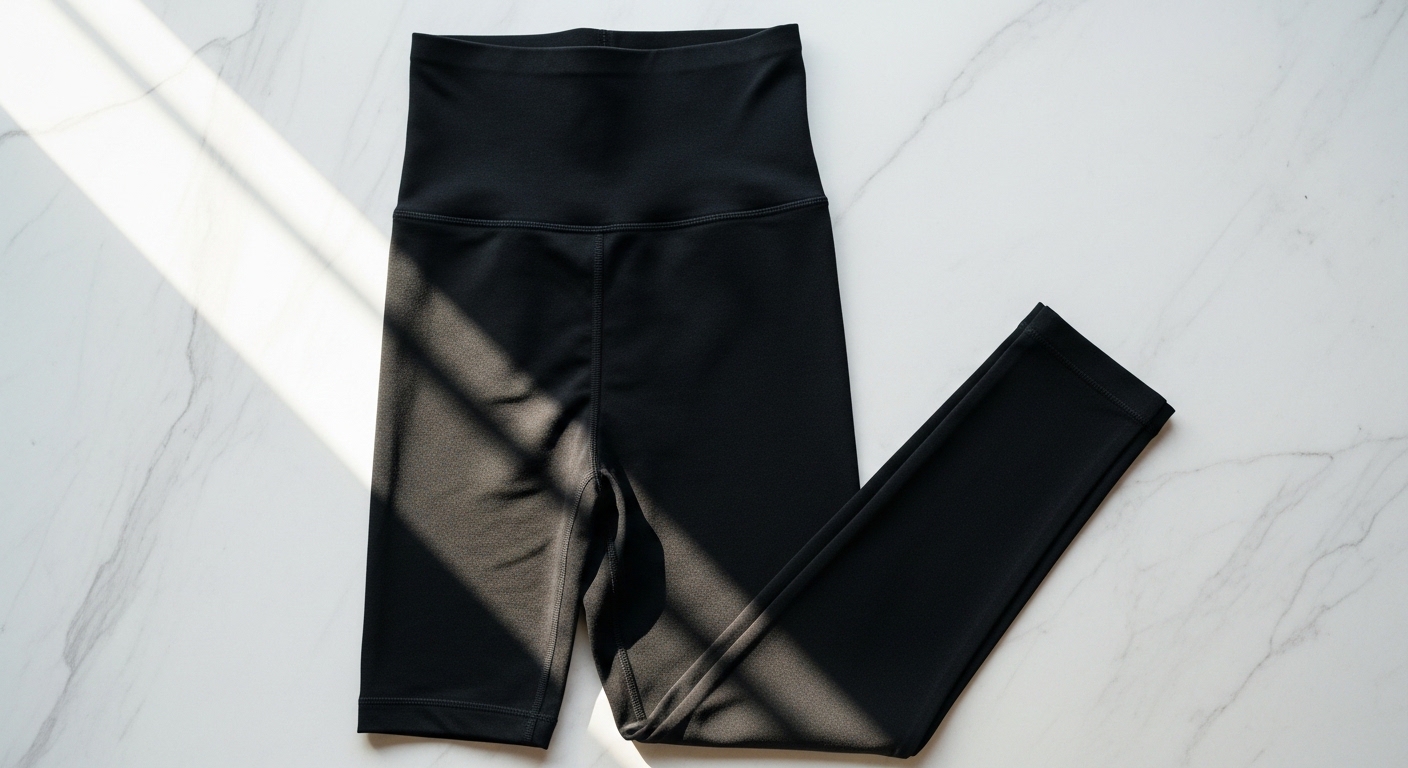
Rejuva Compression Seamless Leggings 15-20 mmHg
Budget-friendly 15–20 mmHg seamless compression leggings — the everyday option for tired legs and a low-risk way to test whether compression works for you before upgrading.
Best for: Everyday tired-legs wear, price-sensitive buyers
Pros
- ✓ Lowest price tier in this comparison
- ✓ Seamless construction — no side-seam pressure
- ✓ Soft, very stretchy feel
- ✓ Good for testing compression before committing
Cons
- ✗ Narrower range than SIGVARIS or JOBST
- ✗ Not built for a diagnosed condition
- ✗ Sizing consistency is less established
Common questions
Is a more expensive compression brand always better?
No, price mostly reflects fabric construction, sizing precision, and brand reputation, not a higher mmHg number; a budget brand at 15–20 mmHg delivers the same graduated pressure as a premium brand at the same range.
Which brand is best for someone who's never worn compression before?
Comrad or Rejuva are reasonable starting points: lower cost, straightforward 15–20 mmHg range, no need to commit to medical-grade pricing before you know if compression works for you.
Do medical-grade brands like SIGVARIS and JOBST require a prescription?
Not for the 15–20 or 20–30 mmHg ranges sold on Amazon; prescription-strength compression is a separate category, usually purchased through a medical supplier.
Can I mix brands, wearing one for daily use and another for travel?
Yes, plenty of people do exactly that; there's no compatibility issue as long as each piece fits properly on its own.
One last thing
For line-level detail on specific leggings within these brands, our compression leggings comparison goes deeper on fabric and fit. If you're comparing lymphatic-style leggings against compression socks specifically, LymphaticLeggingsGuide.com's guide covers that distinction directly.