Compression Socks vs. Leggings, Compared (2026 Update)
Fact-checked against cited clinical sources, August 2026. Written and reviewed by the Compression & Shapewear editorial team. Informational only; not medical advice. · Last updated 26 August 2026
Compression leggings aren't one product, and neither are compression socks. A 15–20 mmHg legging for tired legs at the end of a retail shift is a different garment from an 18–21 mmHg pair built for lipedema management, and neither is automatically the right call if what you actually need is a knee-high sock.
Here's how SIGVARIS, Rejuva, CzSalus, and JOBST compare, by number and by format, not by marketing copy.
What actually differs between compression leggings
Compression is measured in mmHg (millimeters of mercury), and the ranges matter more than the brand name. Low compression is under 20 mmHg (Class 1); medium compression sits at 20–30 mmHg (Class 2); high compression is 30 mmHg and above (Class 3) (Source: PMC4081237). Most everyday compression products sold as "wellness" or "travel" items fall in the low-to-mid range, 15–20 mmHg.
Knit construction matters almost as much as the number. Circular-knit fabric (used in most mass-market compression garments) is stretchier and less precise; flat-knit fabric (used in medical-grade lipedema garments) holds pressure more consistently over hours of wear but costs more and feels stiffer at first. If you're managing a diagnosed condition, that difference isn't cosmetic; it's the whole point of the garment.
Socks or leggings — which format fits your situation
Knee-high socks cover ankle to knee, which is where a lot of everyday swelling shows up first and often most; if that's the extent of your swelling, a sock does the job without a second garment layer under trousers. Leggings extend compression up through the thigh, which matters if swelling or fatigue runs higher, or if you'd rather have one base layer instead of stacking a sock under something else.
Socks are also easier to take off and put back on during a long day, useful if you're on your feet in shifts with breaks. Leggings are more of a put-on-once, wear-all-day option, which some people prefer for simplicity even when their swelling doesn't strictly need thigh-high coverage.
Side-by-side comparison table
| SIGVARIS Soft Silhouette (leggings) | Rejuva Compression (leggings) | CzSalus Flat Knit (leggings) | JOBST ACTIVA Opaque (knee-high sock) | |
|---|---|---|---|---|
| Compression level | 15–20 mmHg | 15–20 mmHg | 18–21 mmHg | 15–20 mmHg |
| Coverage | Full leg | Full leg | Full leg | Ankle to knee |
| Knit type | Circular-knit | Circular-knit, seamless construction | Flat-knit | Circular-knit, opaque |
| Best for | All-day standing, travel, mild swelling | Everyday wear, budget-conscious buyers | Lipedema/lymphedema management | Easy on/off during shift breaks, ankle/calf swelling |
| Feel | Soft, stretchy | Soft, very stretchy | Firmer, more structured | Opaque, medium-firm |
| Price tier | Mid | Lower | Higher | Mid |
| Shop | Check price | Check price | Check price | Check price |
The four products, in detail
SIGVARIS Soft Silhouette Leggings sit at 15–20 mmHg, the standard range recommended for flight crew and anyone on their feet most of the day (Source: Norton School of Lymphatic Therapy). The waistband doesn't dig in after a full shift, which is where a lot of budget leggings fail by hour six. Check current price.
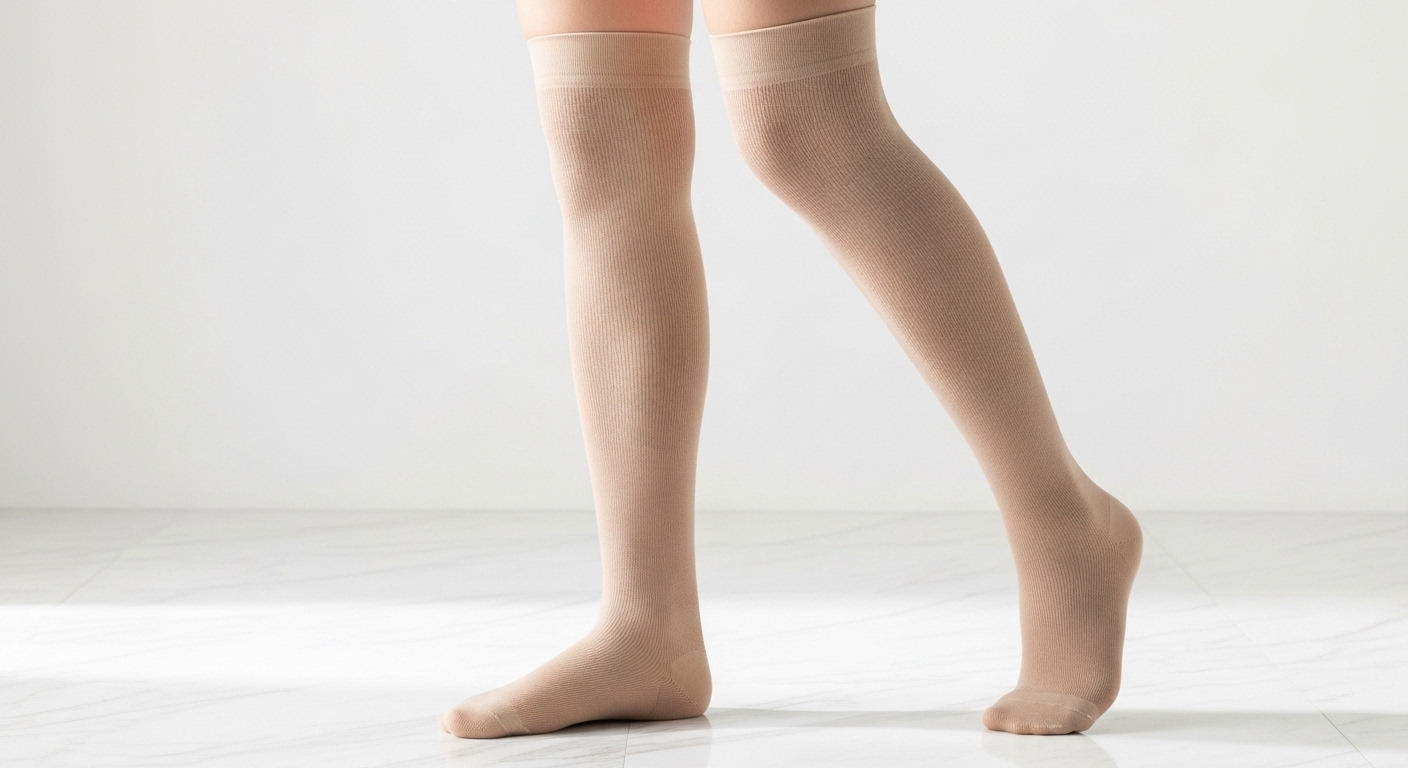
SIGVARIS Soft Silhouette Leggings 15-20 mmHg
Graduated 15–20 mmHg compression leggings with a soft matte finish and a waistband that holds without digging in over a full shift.
Best for: All-day standing, travel, mild swelling
Pros
- ✓ True graduated compression, not just tight fabric
- ✓ Waistband doesn't dig in after hours of wear
- ✓ Soft matte finish
- ✓ Medical brand heritage
Cons
- ✗ Warmer than sheer hosiery
- ✗ Higher price than fashion leggings
Rejuva Compression Seamless Leggings land in the same 15–20 mmHg range at a lower price point, and the seamless construction means no side seam pressing into the hip during a long sit. Think of them as the everyday, budget-friendly option for tired legs rather than a medical garment. Check current price.
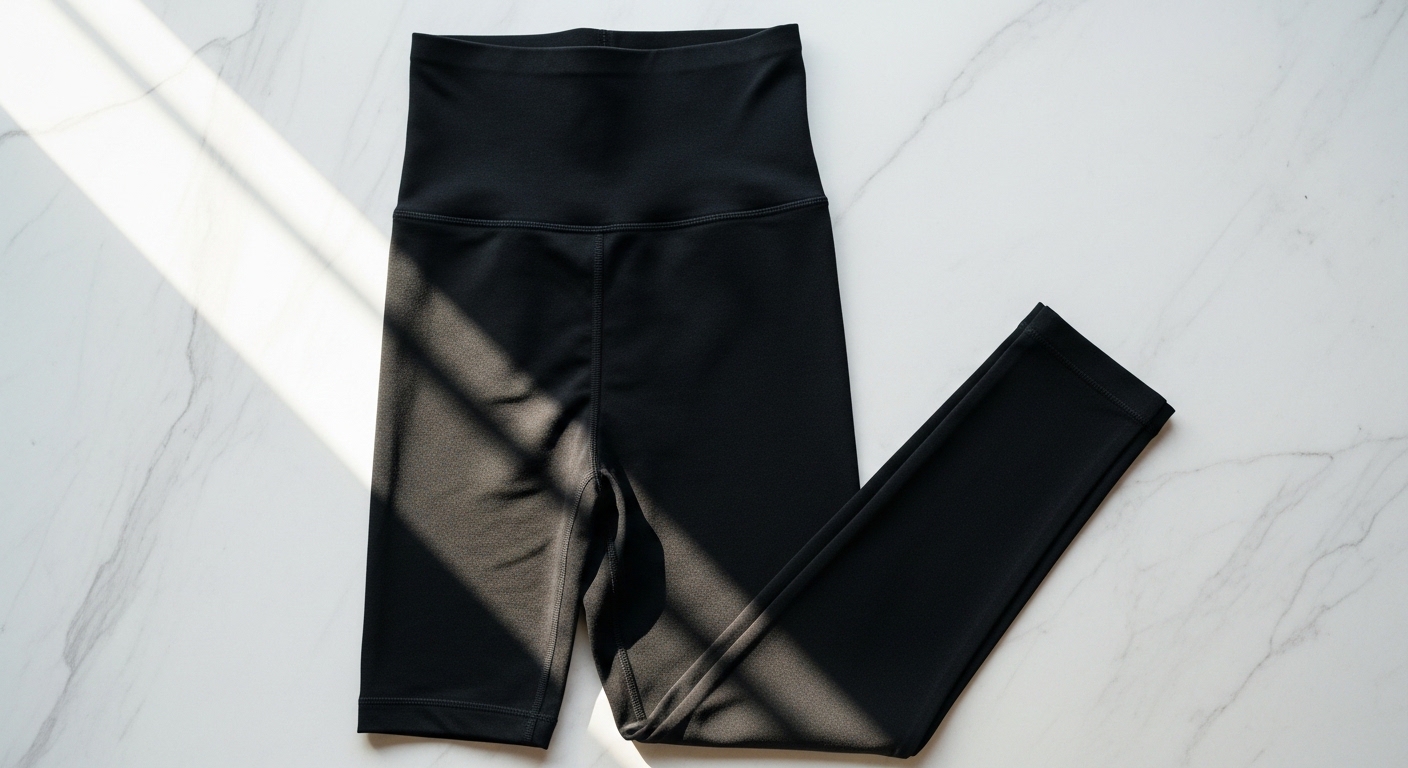
Rejuva Compression Seamless Leggings 15-20 mmHg
Budget-friendly 15–20 mmHg seamless compression leggings with no side seam — the everyday option for tired legs rather than a medical garment.
Best for: Everyday wear, budget-conscious buyers
Pros
- ✓ Lower price point
- ✓ Seamless construction — no hip pressure
- ✓ Soft, very stretchy feel
- ✓ Easy to put on
Cons
- ✗ Not built for a diagnosed condition
- ✗ Lighter compression than flat-knit alternatives
CzSalus Flat Knit Lipedema Leggings are a different category entirely. At 18–21 mmHg with flat-knit construction, they hold consistent pressure through a full day in a way circular-knit fabric doesn't; that consistency is exactly what lipedema and lymphedema management calls for. They cost more and feel stiffer on first wear, but that stiffness is structural, not a fit problem. Check current price.
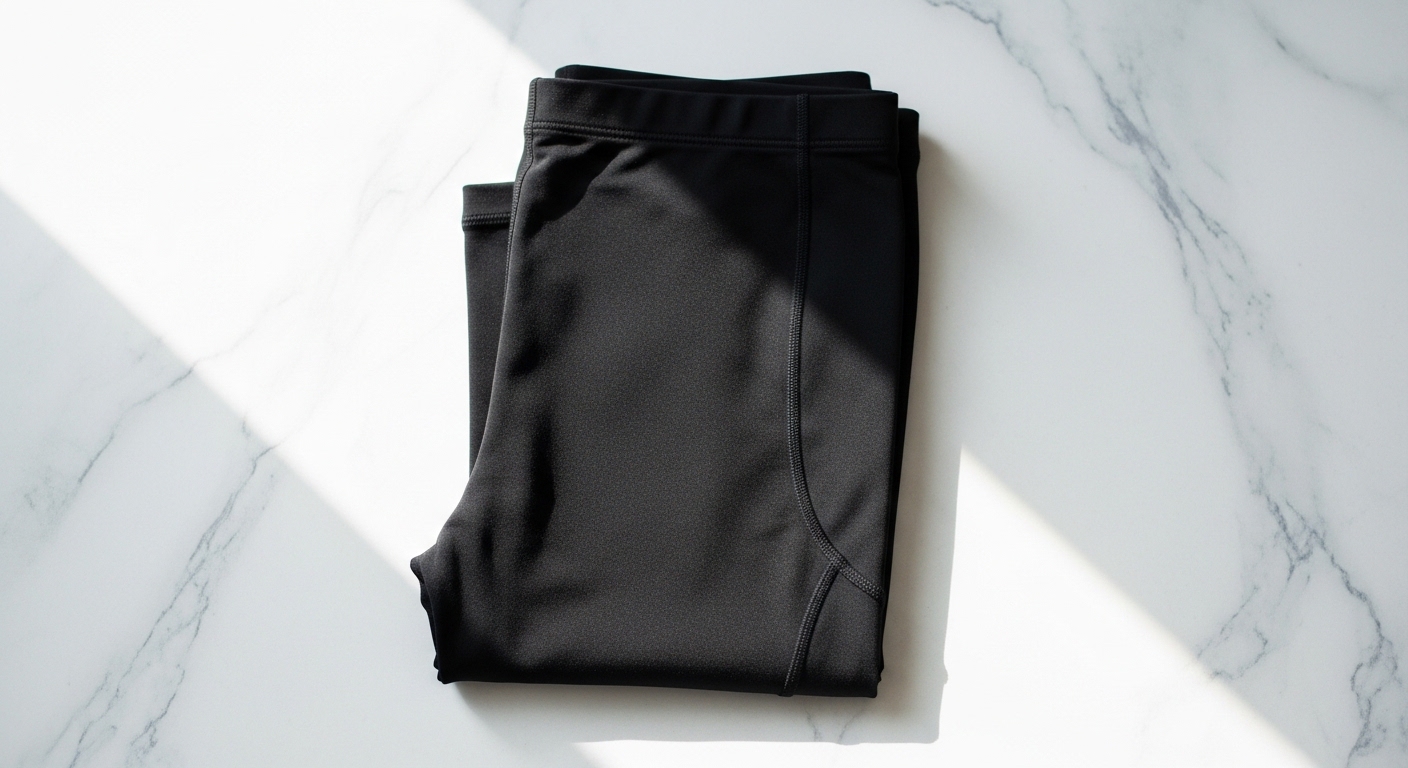
CzSalus Flat Knit Lipedema Leggings 18-21 mmHg
Flat-knit 18–21 mmHg compression leggings built for lipedema and lymphedema management — holding consistent graduated pressure through a full day of wear.
Best for: Lipedema / lymphedema management
Pros
- ✓ Flat-knit holds pressure more consistently than circular-knit
- ✓ True 18–21 mmHg graduated compression
- ✓ Built specifically for diagnosed conditions
- ✓ Durable through extended daily wear
Cons
- ✗ Higher price
- ✗ Firmer, stiffer feel at first
- ✗ Needs break-in over a few short wears
JOBST ACTIVA Opaque Knee High, new to this comparison, gives you the same 15–20 mmHg range in a knee-high format with an opaque, medium-firm feel. It's the pick if your swelling stays below the knee and you'd rather not commit to a full-leg garment, or if you need something you can take off easily between shifts. Check current price.
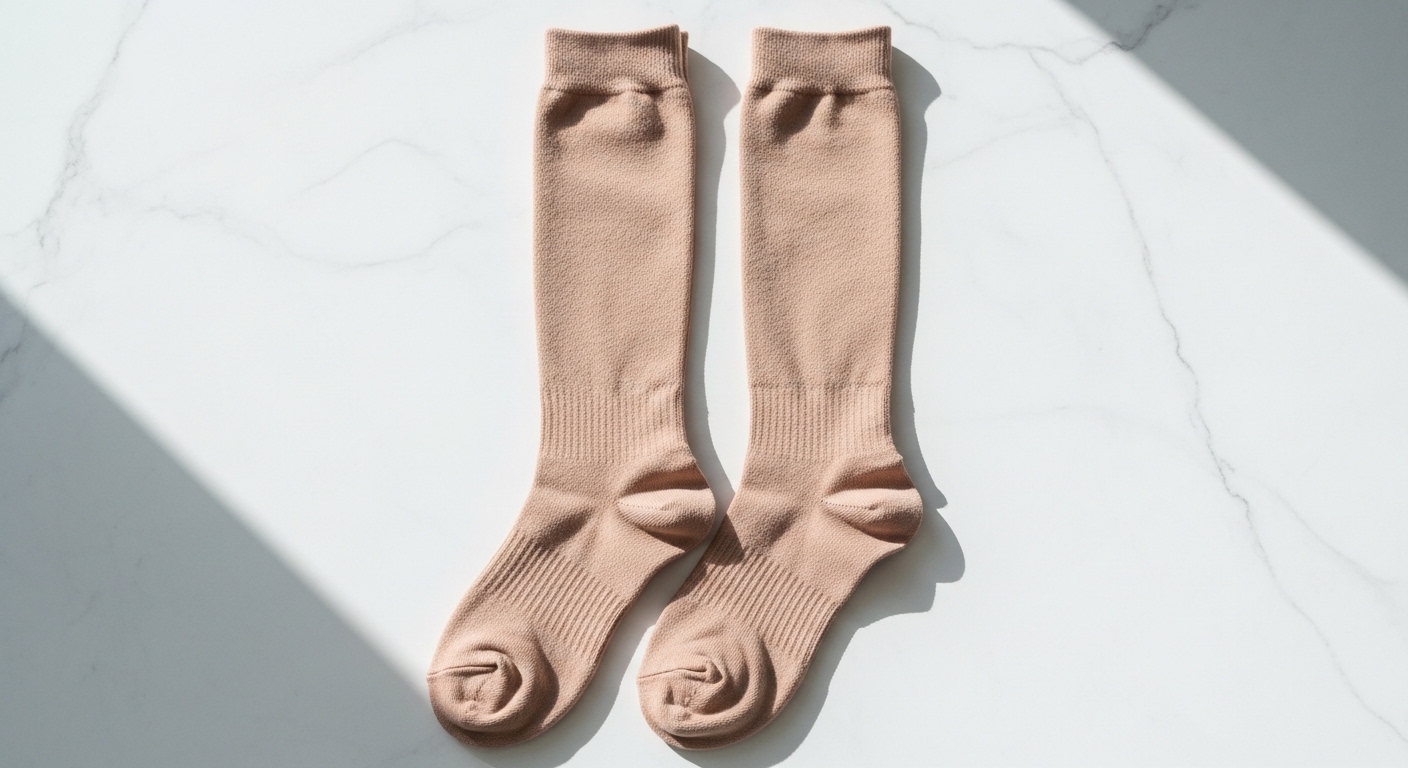
JOBST ACTIVA Opaque Knee High 15-20 mmHg
15–20 mmHg knee-high compression sock with an opaque, medium-firm feel — the easy on/off option for ankle and calf swelling during shift work.
Best for: Easy on/off during shift breaks, ankle/calf swelling
Pros
- ✓ Knee-high format — no full-leg commitment
- ✓ Opaque, durable construction
- ✓ Easy to take off and put back on between shifts
- ✓ Same 15–20 mmHg everyday range as the leggings
Cons
- ✗ No thigh coverage
- ✗ Opaque look less discreet under sheer hosiery
Common questions
Which compression level should I start with if I've never worn compression before?
Start at 15–20 mmHg (Class 1). It's the lightest medically meaningful range and won't feel restrictive while you get used to wearing compression daily.
Do I need a prescription for any of these?
No, all four are over-the-counter compression, not prescription-grade medical hosiery. If you have a diagnosed condition like lipedema or lymphedema, talk to your doctor about whether a higher mmHg or a fitted medical garment is more appropriate than an over-the-counter product.
Does higher mmHg always mean better results?
Not necessarily; higher compression that's uncomfortable to wear all day gets taken off by lunchtime, which helps no one. The right level is the one you'll actually keep on.
How do I decide between a sock and a legging if my swelling could go either way?
Start with whichever is easier to fit into your day. Socks are simpler to swap in and out during breaks; leggings are simpler if you'd rather put one thing on and not think about it again until you're home.
One last thing
If you're managing lipedema or lymphedema specifically, our in-depth lipedema leggings guide on LymphaticLeggingsGuide.com goes further into flat-knit sizing and fitting than we can here.
If you're comparing brands more broadly, see our top 5 compression brands compared.